The useful part first
Key takeaways
- Sewer rodding is a mechanical clearing service for a blocked main line, not a fix for every drainage complaint.
- Multiple slow fixtures, repeated backups, or a sewer odor with backup symptoms often justify a main-line check.
- If wastewater is coming up, stop using water and move to urgent help instead of trying more fixtures.
- A cleanout, if present and accessible, helps the visit go faster, but it should only be handled by the technician.
In Carol Stream, a sewer rodding request usually starts with a simple question: is this a single fixture problem or a shared-line blockage? When the symptoms point to the main sewer line, rodding is the common mechanical clearing option because it can break up softer buildup, paper, and many ordinary obstructions.
If wastewater is backing up, stop running water right away. Don't flush again, don't run a sink to see what happens, and don't keep testing fixtures just to confirm the problem. That only adds more water to an already limited line.
A planned visit is different from an emergency call. A planned rodding appointment focuses on access, symptoms, and the likely blockage pattern. If the line is overflowing or sewage is entering a tub, shower, floor drain, or basement space, the visit needs to shift to urgent handling through emergency sewer help instead.
Carol Stream Public Works also publishes instructions for sewer backups and street flooding, including separate after-hours directions for public-system concerns. If the issue looks tied to the public side, follow the village's current reporting instructions first rather than routing everything through a private service call.
What sewer rodding actually does
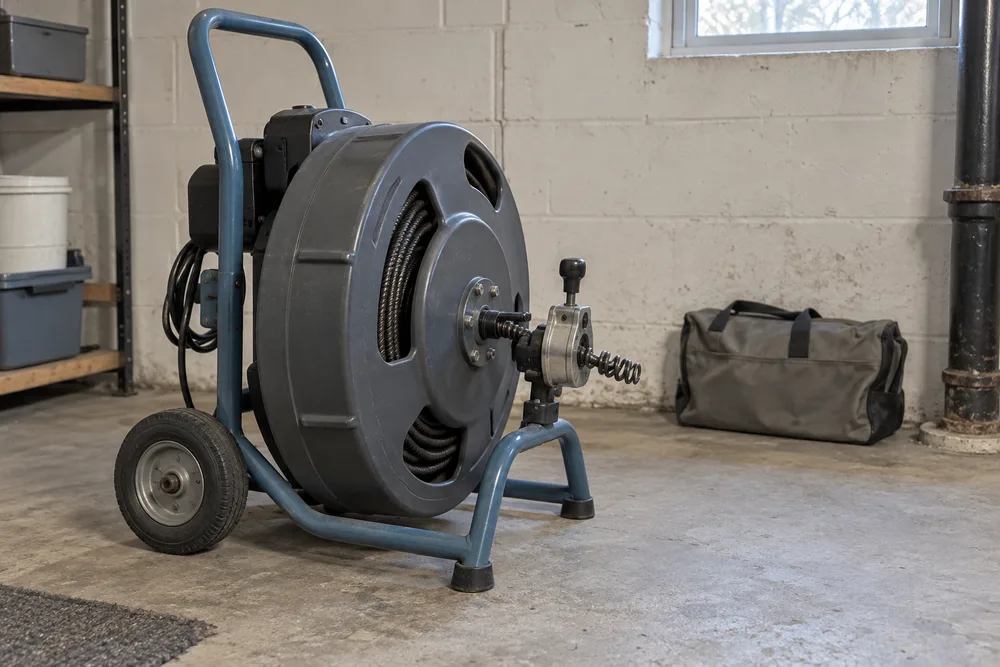
Sewer rodding uses a flexible cable with a cutting or clearing end to work through the sewer line and open the blockage. It is most useful when the line is held up by paper buildup, small debris, or softer material that can be broken apart and moved along. When a line is just slow, the work may restore normal flow without more involved methods.
Rodding is focused on restoring passage through the pipe. It does not automatically tell you why the line clogged in the first place. If the blockage returns, there may be a recurring buildup issue, a root intrusion, or a pipe condition that needs a closer look through camera inspection.
The practical value is simple: get the line moving again, then decide whether the pipe needs more information. That keeps the visit centered on what is actually happening in the home instead of guessing from one symptom alone.
- Useful for a blocked main sewer line
- Can open many routine obstructions
- May be paired with inspection when the blockage keeps returning
- Does not replace diagnosis when the problem is recurring
When rodding is a sensible fit
Rodding is usually a good fit when the main line is backed up or several drains act up together. It also makes sense when a toilet starts to rise after another fixture drains, or when the basement floor drain is involved. Those patterns point away from one sink or tub and toward a shared line issue.
When another approach may be better
If the line has heavy grease buildup, layered debris, or roots that keep catching on the same point, rodding may clear the immediate clog but leave the underlying condition behind. In those cases, a technician may recommend hydro jetting or inspection after the line is open, depending on what they can verify onsite.
What happens during a planned visit
A typical planned sewer rodding visit starts with a short symptom review. The contractor will want to know which fixtures are affected, whether the issue is slow drainage or a full backup, and whether the problem is constant or intermittent. That conversation matters because it helps separate a main-line problem from a fixture drain issue.
The next step is usually access. If there is a usable cleanout, that is often the easiest entry point. If there is not, the contractor may need to work from another approved access point inside the home. The technician handles the line work, and you should not open a pressurized or backed-up cleanout yourself.
For example, suppose the first-floor toilet starts bubbling, the kitchen sink drains slowly, and the basement floor drain is wet after a laundry load. A planned visit would likely focus on the main sewer line, because those symptoms suggest a shared restriction instead of one isolated fixture. The contractor might rod the line, verify flow, and then discuss whether inspection is worth adding next. If sewage is already coming up into the basement, that same plan changes immediately to urgent service and the water use in the home should stop.
When the line clears, the contractor usually checks that water moves through the affected branch and listens for signs that point to a deeper issue. If the symptoms suggest a repeating condition, the next conversation may shift to inspection or a different clearing method rather than repeating the same cable pass.
- Expect questions about which fixtures are affected
- Access may be through a cleanout or another approved entry point
- Clearing is usually followed by a basic flow check
- A recurring issue may lead to inspection or another method
How urgent conditions change the plan
Urgent conditions change both the timing and the goal. If wastewater is backing up, the priority is not a scheduled comfort visit. It is immediate containment, stopping water use, and getting the line open as quickly as possible through the emergency path. That is why the emergency sewer service option exists separately from routine rodding.
Water backing up now?
Pause water use and call. Emergency calls are accepted 24/7.
How to prepare without creating a bigger mess
You do not need to dismantle anything before a sewer rodding visit. What helps most is a clear description of the symptom pattern and a clean path to the work area if the cleanout or basement access is available. If you know when the problem started and whether any recent heavy use preceded it, share that detail.
Do not keep testing the system once sewage is moving the wrong way. Running fixtures to check whether the backup is gone can push more water into the same blocked line. The safer move is to pause water use and let the contractor work from the problem point.
If the issue is only a slow drain at one sink or shower, that belongs on a fixture-drain page rather than the main sewer path. If you're not sure which service fits, a quick review of the symptoms on fixture drain cleaning can help separate a local clog from a shared-line issue.
- Share which fixtures are affected
- Tell the contractor if the issue is slow drainage or active backup
- Keep the area accessible, but do not open pressurized plumbing
- Pause water use if wastewater is coming back into the home
A note about cleanouts
A visible cleanout can be helpful, but it is not a homeowner task to open one that is under pressure or actively backing up. The contractor can determine whether it is safe and useful. If there is no cleanout, that does not end the visit. It only changes where the technician starts.
Carol Stream concerns that matter before dispatch
Carol Stream Public Works publishes reporting instructions for sewer backups and street flooding, and it separates routine concerns from after-hours emergency directions. That matters because a basement backup in a private line and a possible public-system problem are not handled the same way. If the situation involves street flooding, a widespread sewer issue, or a concern about the public side, check the village's current instructions first.
Private and public problems can look similar at the fixture level. A backed-up basement drain doesn't automatically tell you which side is involved. What helps is knowing whether one home is affected or whether the problem appears broader. If the village directs the concern to public works, follow that route. If the issue is clearly inside the private line, a sewer rodding referral can address it.
For homeowners, the useful takeaway is narrow and practical: don't wait to see whether the problem gets worse on its own, but also don't assume every sewer symptom belongs to the same service path. If you need help understanding the difference, how referrals work explains how an inquiry reaches an independent contractor after intake.
- Carol Stream Public Works provides official reporting directions for sewer backups
- Street flooding and public-system concerns may need municipal handling
- Private-line symptoms can still need a contractor response
- Use the current official village instructions for public concerns
When a rodding request should pause
If the home is already taking on sewage, or if the street and nearby drainage indicate a broader sewer event, the better move is to pause routine scheduling and use the emergency or municipal route that matches the situation. That avoids sending a contractor into the wrong problem category.
How rodding compares with other sewer services
Rodding is one of several ways to deal with a sewer blockage, and the right choice depends on what the line is doing, how often it happens, and what access is available. Some clogs respond well to mechanical clearing. Others point toward a cleaner pipe interior or a closer look inside the line.
| Need | Common service | Best use |
| --- | --- | --- |
| One-time blockage in the main line | Sewer rodding | Breaks through routine obstructions and restores flow |
| Heavy residue or repeated buildup | Hydro jetting | Flushes out stubborn material after the line is open |
| Repeating backup or uncertain cause | Camera inspection | Shows condition and helps explain recurrence |
- Rodding is the mechanical clearing option
- Jetting is often considered when buildup is heavier or more persistent
- Inspection helps when the problem keeps returning or the cause is unclear
- The sequence may change based on what the contractor finds onsite
Why the comparison matters
A homeowner does not need to choose every next step in advance. What matters is matching the service to the symptom pattern. A single blockage that clears and stays clear may need no more than rodding. A line that fills again a week later may need a different conversation.
Booking the service and deciding what comes after
If the problem sounds like a main sewer blockage, the next step is to send a request that explains the fixtures involved and whether the backup is active or only slow. That keeps the referral focused and helps the contractor decide what equipment to bring. If you want the broader explanation of the referral path, the referral process lays out how the request is passed along.
A clear symptom description saves time at the start of the visit. Mention basement fixtures, laundry discharge, repeated toilet rise, or any sewage smell that appears with backup. Those details help the contractor decide whether rodding alone is the best first move.
If the line clears but the same symptoms return, ask whether a camera inspection makes sense. If the line opens only after a more aggressive cleanout, the contractor may suggest a method change or a closer look at the pipe condition. The point is not to pile on services. It is to match the work to what the line is actually doing.
- Describe the fixtures involved and whether the backup is active
- Ask what the clearing revealed if the line is slow to recover
- Consider inspection if the same blockage returns
- Use urgent intake if wastewater is already moving the wrong way
One good follow-up question
After the line is cleared, ask what the blockage looked like and whether the pipe should be monitored for recurrence. That question is more useful than asking whether the line is 'fixed forever.' It keeps the discussion grounded in what was seen during the visit.
Quick check: which service matches the symptom?
| Symptom | Likely fit | What to do next |
|---|---|---|
| One sink or tub drains slowly | Fixture drain cleaning | Use the fixture-drain service, not the main sewer line |
| Several fixtures slow down or back up | Sewer rodding | Request main-line clearing and describe all affected fixtures |
| Backup keeps returning after clearing | Inspection or a different clearing method | Ask about camera inspection and what the blockage looked like |
| Wastewater is actively coming up | Emergency sewer help | Stop water use and use the urgent path right away |
Questions homeowners ask
Is sewer rodding the same as snaking the sewer line?
In everyday use, people often mean the same thing. The important part is the service result: a mechanical cable is used to clear the main line and restore flow.
Can rodding fix every sewer backup?
No. It can clear many common blockages, but repeated backups, heavy buildup, roots, or pipe damage may need inspection or another method after the line is opened.
Should I keep using water to see if the clog is gone?
No. If wastewater is backing up or a drain is near overflow, pause water use. Testing the system again can add more water to the same blocked line.
Do I need a cleanout before booking?
No. A cleanout can make access easier, but the contractor can work from other approved entry points when needed. Don't open a backed-up or pressurized cleanout yourself.
When should I call the village instead of a contractor?
If the concern appears tied to public sewer service, street flooding, or the situation matches the village's backup reporting instructions, follow Carol Stream Public Works' current guidance first.
Local resources
Use these official resources for municipal or utility information. They are separate from Plumbers 911.